
What Is Logical Data Management?
Logical data management is an architectural approach for managing distributed data as a coherent enterprise resource without requiring physical consolidation as the default.
It separates how data is consumed from where and how it is stored. A logical layer can provide consistent access, governance, semantics, optimization, and delivery across multiple platforms while each source continues to serve its operational or analytical purpose.
For the business, that means teams can work with trusted data across environments without waiting for every source to be migrated, replicated, or redesigned.
Data virtualization is the core enabling technology for this approach, abstracting the complexity of physical sources from data consumers. For the business, that means teams can work with trusted data across environments without waiting to migrate, replicate, or redesign every source.

What a Logical Approach Changes
Deliver Data Faster
Give consumers a consistent way to access distributed data without creating a new physical integration path for every request.
Reduce Repeated Engineering
Reuse connections, transformations, semantic views, and policies across projects instead of rebuilding them for each application or team.
Adapt with Less Disruption
Insulate consumers from changes in source platforms, locations, and schemas, so the data estate can evolve with less downstream rework.
Govern More Consistently
Apply security, privacy, quality, and usage policies across distributed environments and delivery methods.
Use Logical and Physical Data Management Together
Physical data platforms remain essential for storage, processing, and workload-specific needs. The limitation comes when every new use case requires data to be moved and restructured before it can be used.
A logical layer adds another option: keep data where it belongs when that makes sense, while providing consistent access and control across platforms.
Logical data management does not replace lakehouses, warehouses, pipelines, data products, or any other existing data infrastructure. It helps those investments work together more effectively.
Create a Reusable Operating Model Across the Data Estate
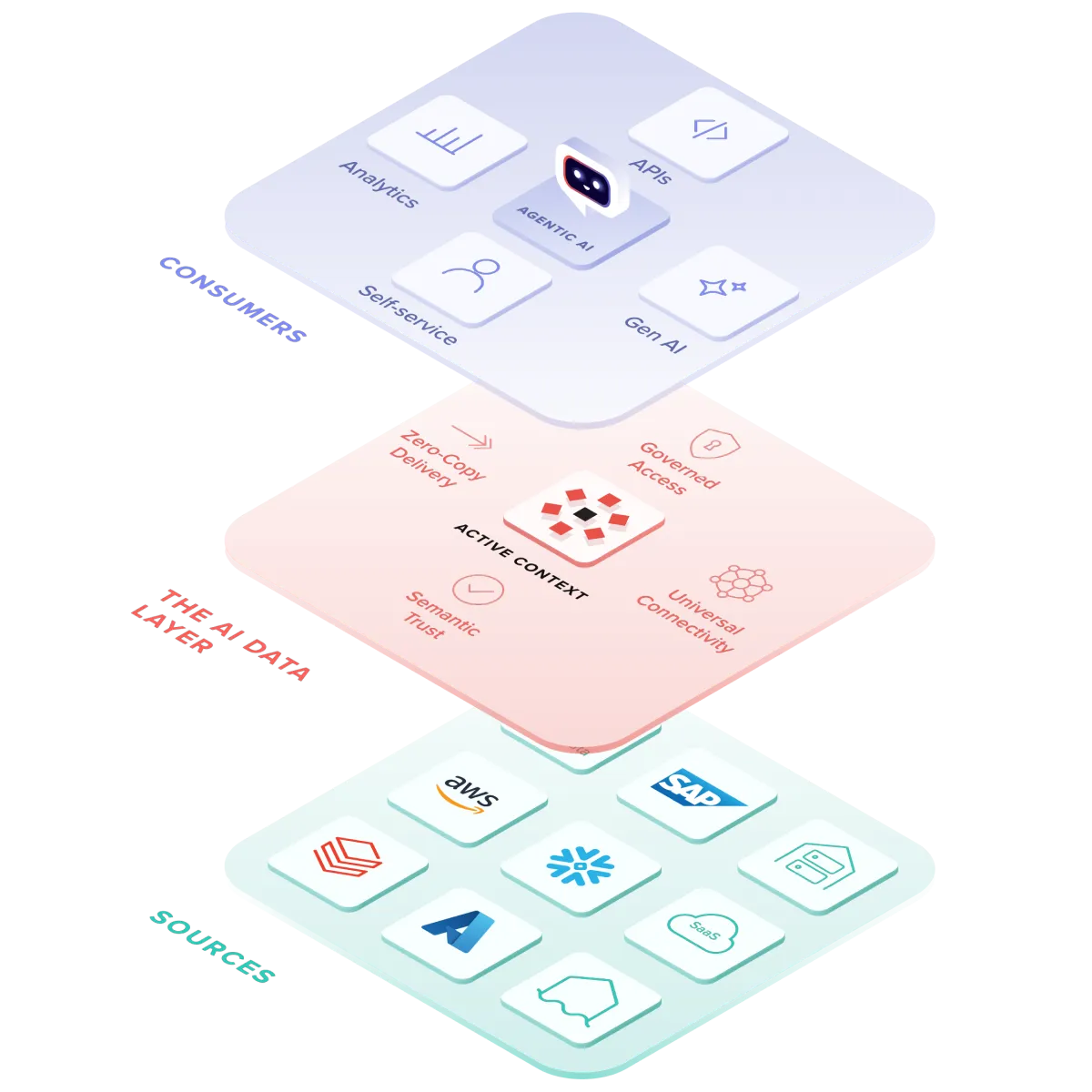
A logical management layer sits between distributed data platforms and the consumers that depend on them. It can abstract source complexity, apply policies and semantics, optimize access, and deliver reusable views and enterprise data products.
This gives data teams a shared operating model for serving AI, analytics, applications, and business users, without tightly coupling every consumer to the underlying systems.
Keep Ownership Close to the Data
Enterprise teams can define common policies, semantics, and delivery services that work across domains.
Standardize What Should Be Shared
Domains and platform teams can continue to own their data, quality, and operational responsibilities.
Reuse Instead of Rebuild
Shared views, policies, and data products can support multiple consumers and reduce project-by-project duplication.
Turn Project Outputs into Reusable Data Products
When data delivery is organized one project at a time, teams often rebuild the same source data, transformation logic, policies, and definitions, repeatedly.
Logical data management makes it easier to create governed enterprise data products that combine distributed sources while preserving shared business meaning and policy.
That increases reuse across AI, analytics, applications, and business teams, shortening the path from a new requirement to trusted data.
Get More from Lakehouses and Other Data Platforms
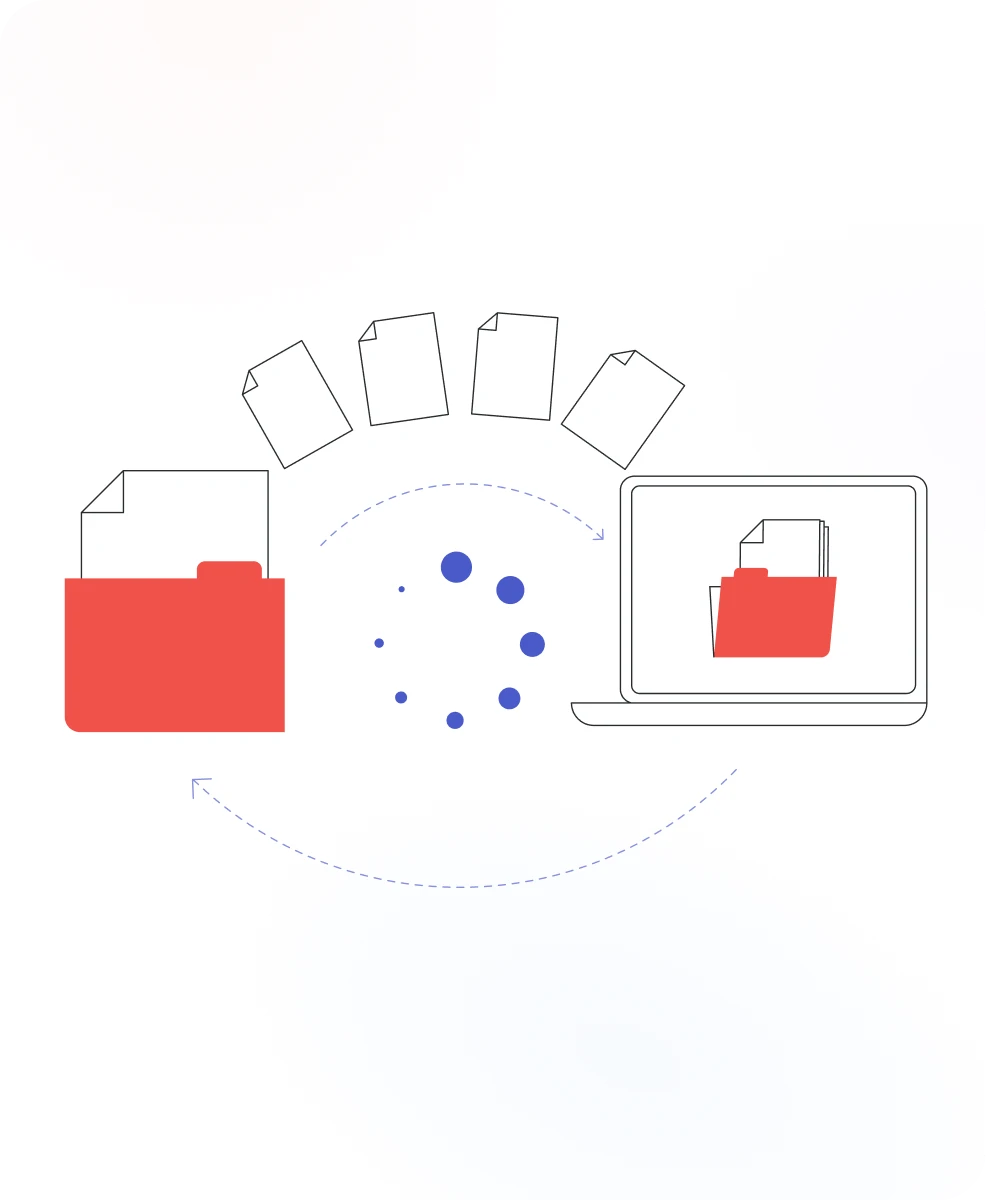
Logical data management helps organizations extend the platforms they already operate. A lakehouse can remain the preferred environment for selected workloads while the logical layer connects data that remains elsewhere.
This can reduce unnecessary replication, provide consistent semantics and governance across platforms, and make trusted data available to more consumers without forcing another large-scale migration.
The objective is not to replace physical platforms. It is to make them work together more effectively.
How Logical Data Management Supports the AI Data Layer
As AI and other data consumers multiply, the enterprise needs a reusable way to deliver trusted information across distributed systems.
Logical data management provides an architectural foundation for Denodo's AI data layer by helping distributed data behave like a coherent enterprise resource. That foundation supports active context without requiring every new initiative to rebuild access, governance, and meaning.

Make Distributed Data Easier to Use, Govern, and Change