What Is Data Analytics?

Data analytics is the process of exploring, interpreting, and visualizing existing data to uncover actionable insights, identify trends, and support decision-making. It involves applying statistical techniques and analytical tools to historical data to answer questions such as “What happened?”, “Why did it happen?”, and “What does it mean?”

While data science makes use of algorithms and machine learning models to predict future outcomes and automate decision-making, data analytics focuses on analyzing past and present data to understand outcomes and inform decisions.
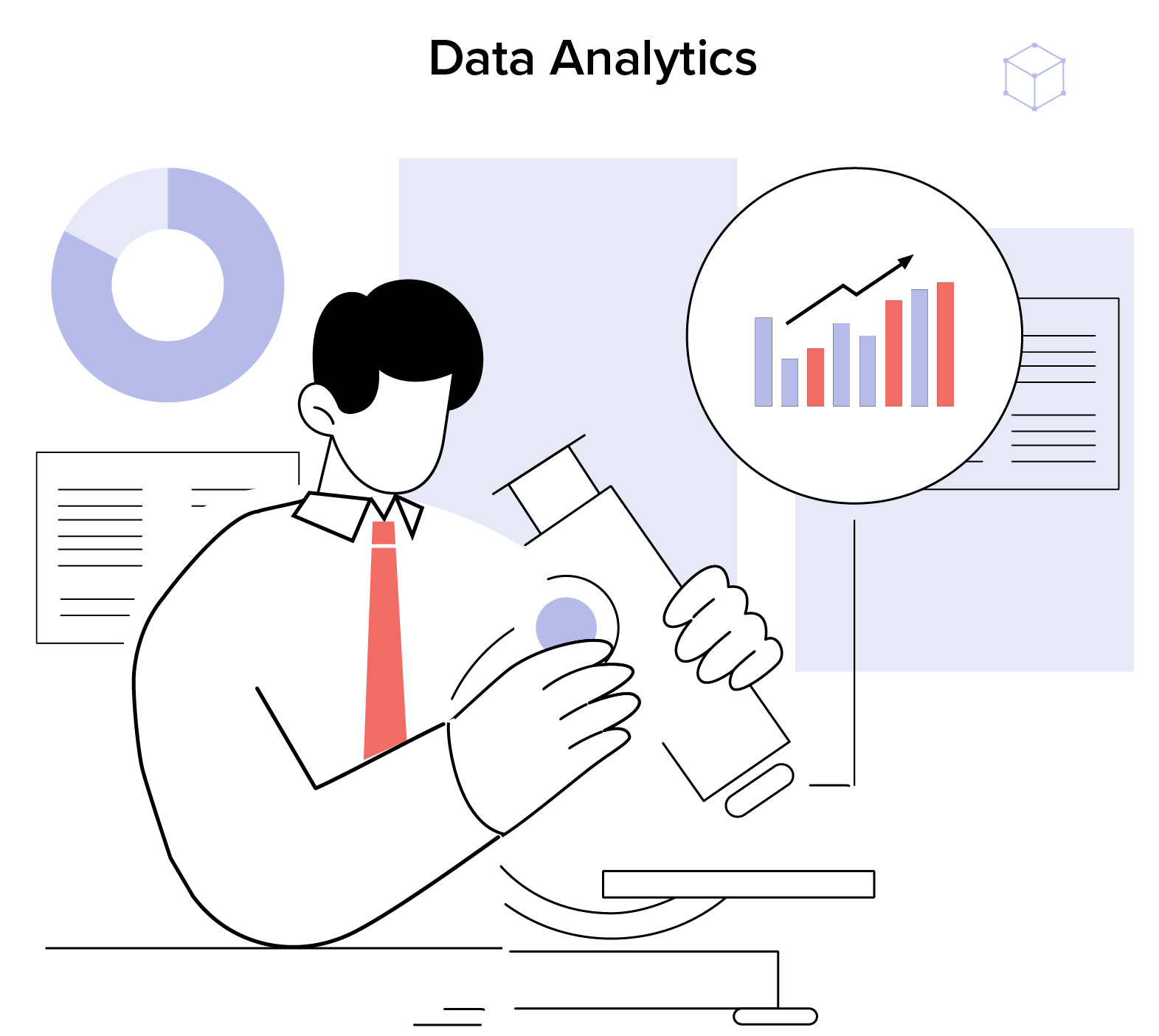

Data Analytics

Why Is Data Analytics Important?

Data analytics helps organizations to gain a competitive advantage, optimize operations, and improve customer experiences. Key benefits include:

  • It helps identify operational inefficiencies and opportunities for cost savings.
  • It reveals customer behavior patterns and market trends.
  • It supports evidence-based decision-making across departments.
  • It enables continuous performance monitoring and improvement.

Applications of Data Analytics

Organizations across industries use data analytics to gain insight and improve decision-making in a variety of contexts:

  • Marketing: Evaluating campaign effectiveness, tracking conversion rates, and segmenting audiences.
  • Sales: Forecasting revenue, identifying top-performing products, and monitoring pipeline performance.
  • Finance: Budgeting, expense tracking, and identifying financial risks.
  • Operations: Managing supply chains, optimizing resource allocation, and reducing downtime.
  • Healthcare: Analyzing patient outcomes, improving care delivery, and managing costs.
  • Education: Measuring student performance, improving curriculum, and analyzing enrollment trends.

Benefits of Data Analytics

Organizations that effectively use data analytics can gain significant advantages:

  • Faster, Better Decisions: Access to real-time insights helps leaders act confidently and quickly.
  • Operational Efficiency: Identify waste and inefficiencies for continuous improvement.
  • Improved Customer Understanding: Analyze customer behavior to tailor experiences and increase satisfaction.
  • Risk Management: Detect issues early and reduce exposure to financial or compliance risks.
  • Increased Profitability: Optimize pricing, marketing spend, and inventory to boost margins.

Challenges in Data Analytics

Despite its value, implementing data analytics successfully comes with several challenges:

  • Data Silos: Fragmented systems make it hard to get a unified view of data.
  • Poor Data Quality: Inaccurate, outdated, or incomplete data can mislead decision-makers.
  • Skill Gaps: Many organizations lack employees with sufficient analytical training.
  • Tool Complexity: Overly technical tools may prevent widespread adoption.
  • Security and Compliance: Handling sensitive data responsibly requires robust governance and safeguards.

How the Denodo Platform Supports Data Analytics

The Denodo Platform enables:

  1. Self-service data access for both expert and citizen analysts, supported by a universal semantic layer that puts the data into actionable language, immediate access to data across disparate data sources, and a powerful data marketplace that lets analysts easily find, access, share, and collaborate with diverse data sources.
  2. Streamlined research and analysis with Denodo DeepQuery, which synthesizes insights in minutes rather than the days it normally requires.

The Denodo Platform and Data Analytics: Case Studies

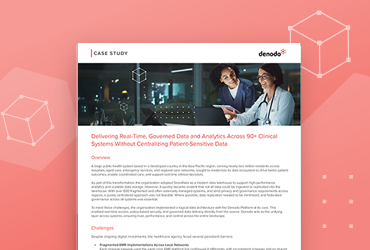
A large public health system in the Asia Pacific region delivered real-time data analytics across 90+ clinical systems without having to centralize patient-sensitive data.

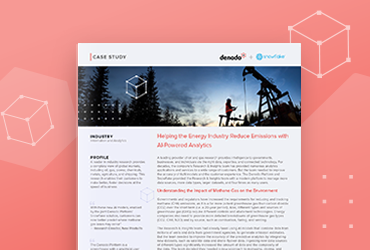
A leading provider of oil and gas research improved the accuracy of the company’s AI models, as well as the entire customer experience, across a wide variety of analytics applications.

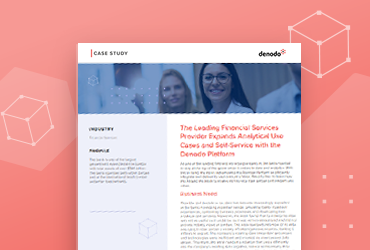
A leading financial services provider expands analytical use cases and self-service capabilities.

Future Trends in Data Analytics

As data analytics evolve, several key trends are shaping the future of the field:

  • Self-Service Analytics: Empowering business users to run their own analyses without relying on data teams.
  • Augmented Analytics: Using AI and machine learning to automatically generate insights.
  • Natural Language Processing (NLP): Enabling users to query data and receive answers in plain English.
  • Real-Time Analytics: Making faster decisions by analyzing streaming data from live sources.
  • Data Democratization: Making data more accessible and understandable across the organization.
  • Integration with Predictive Modeling: Combining data analytics with data science for more forward-looking insight.

Free Trial

Experience the full benefits of Denodo Enterprise Plus with Agora, our fully managed cloud service.

START FREE TRIAL

Denodo Express

The free way to data virtualization

DOWNLOAD FOR FREE