




What Is Data Science?

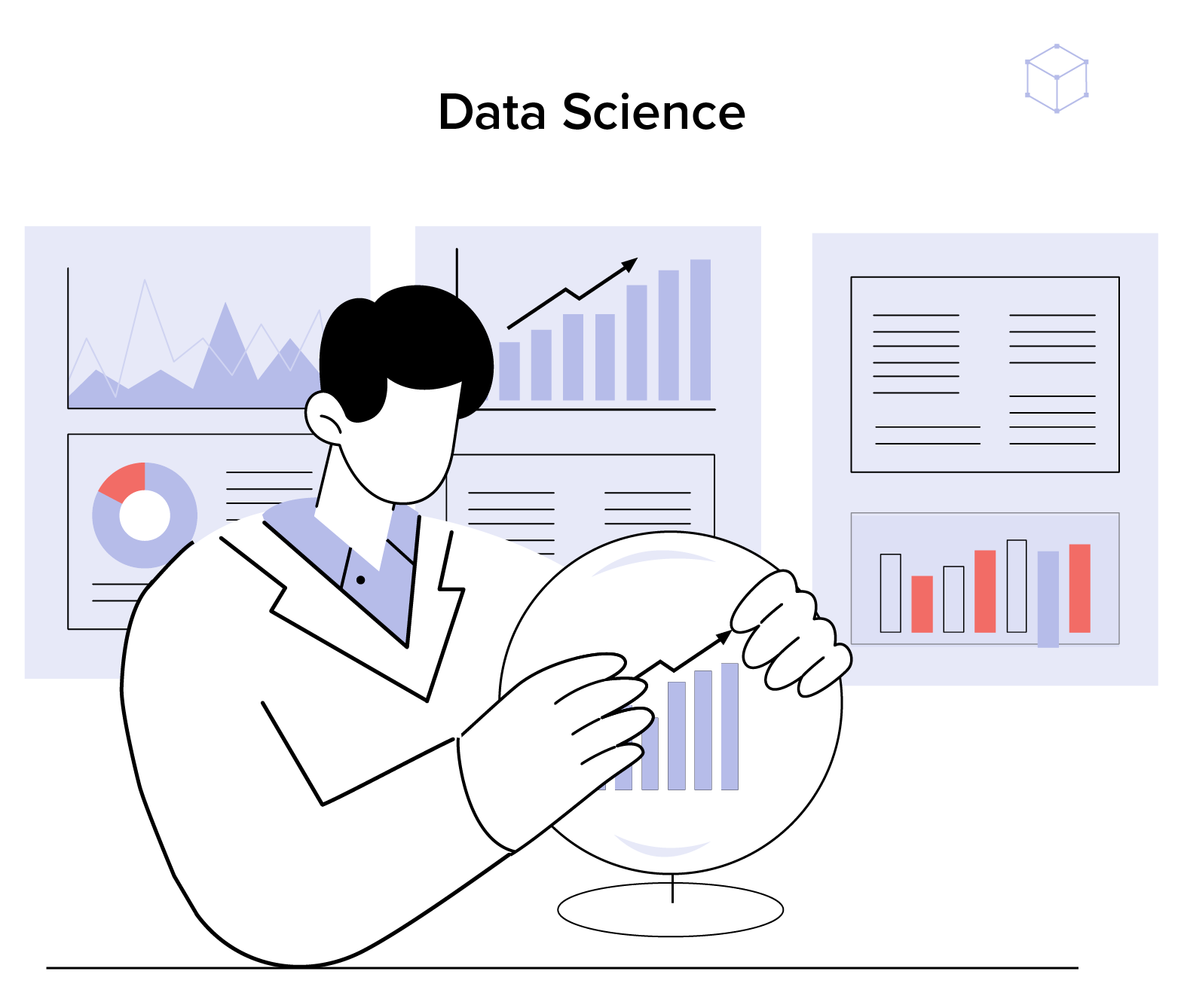
Data science is a multidisciplinary field focused on building predictive models and intelligent systems to forecast future outcomes and enable automated decision-making. It combines statistical analysis, machine learning, data engineering, and domain knowledge to extract value from large and complex datasets—both structured and unstructured.

Unlike data analytics, which focuses on exploring historical data to uncover insights, identify trends, and make inferences, data science creates predictive and prescriptive models that guide future actions and can be embedded into real-time decision systems.

Data Science

Why Is Data Science Important?

Organizations generate massive amounts of data from customer interactions, devices, transactions, and operations. Data science enables businesses to transform this data into strategic assets by:

  • Anticipating customer needs and behaviors
  • Streamlining operations through automation
  • Improving product recommendations and personalization
  • Detecting fraud and cybersecurity threats in real time
  • Enhancing decision-making at every level of the organization

Without data science, much of this data would remain untapped, offering little to no business value.

Key Components of Data Science

Data science is built on several interrelated stages that form the foundation of the discipline:

  1. Data Collection and Preparation: Gathering, cleaning, and transforming data from various sources for accuracy and usability.
  2. Exploratory Data Analysis (EDA): Discovering patterns, trends, and anomalies using visualizations and statistical summaries.
  3. Model Building (Machine Learning and AI): Creating algorithms that learn from data to make predictions or automate decisions.
  4. Model Evaluation and Optimization:Measuring performance using metrics like accuracy, precision, and recall, and fine-tuning models for better results.
  5. Deployment and Automation: Integrating models into production environments to support real-time applications and decision systems.
  6. Communication of Results: Translating complex outputs into actionable insights for stakeholders through dashboards and reports.

Applications of Data Science

Data science is applied across virtually every industry. Here are some key areas where it adds value:

  • Retail and E-commerce: Personalized product recommendations, demand forecasting.
  • Finance: Credit scoring, fraud detection, algorithmic trading.
  • Healthcare: Predictive diagnostics, personalized treatment plans.
  • Manufacturing: Predictive maintenance, quality control optimization.
  • Transportation: Route optimization, autonomous vehicle navigation.
  • Marketing: Customer segmentation, churn prediction, A/B testing automation.

Benefits of Data Science

Adopting data science leads to a range of strategic and operational advantages, including:

  • Predictive Capabilities: Anticipate future outcomes and behavior.
  • Real-Time Automation: Enable intelligent systems that act without human intervention.
  • Operational Efficiency: Optimize workflows and reduce waste.
  • Data-Driven Culture: Improve decision-making with empirical evidence.
  • Competitive Advantage: Gain market insights faster than competitors.

Challenges in Data Science

Despite its benefits, data science presents several challenges organizations must address:

  • Data Quality and Availability: Incomplete, noisy, or biased data can degrade model performance.
  • Model Interpretability: Complex models like deep learning are often “black boxes.”
  • Scalability: Handling massive datasets requires significant computing resources.
  • Ethics and Bias: It’s challenging to promote fairness, transparency, and privacy in algorithmic decisions.
  • Talent Gap: There is a shortage of professionals skilled in both technical and domain expertise.

How the Denodo Platform Supports Data Science

The Denodo Platform enables:

  • Self-service data discovery and access in support of data-sourcing challenges.
  • Robust data transformation capabilities to address data preparation challenges.
  • Data scientists to spend most of their time continually improving models rather than sourcing and preparing data.

The Denodo Platform and Metadata: Case Studies

Many companies have leveraged the Denodo Platform to support their data science initiatives. Here are just a few examples:

By seamlessly unifying Cymer's disparate data sources, the Denodo Platform enabled the company to carry out advanced data modeling, predictive analytics, and enhanced visualization, enabling better strategic decisions on optimizing neon gas usage.

To harmonize the DNB data landscape, improve productivity, and leverage the latest data science use cases, DNB implemented the Denodo Platform as a data marketplace for the data science team.

Future Trends in Data Science

The field of data science is constantly evolving. Here are a few emerging trends that are shaping its future:

  • Automated Machine Learning (AutoML): Simplifying model development for non-experts.
  • Responsible AI: Emphasizing fairness, explainability, and ethical use of models.
  • Real-Time Analytics: Expanding the use of streaming data for instant decision-making.
  • Edge Computing: Bringing data processing closer to data sources (e.g., IoT devices).
  • Multimodal AI: Combining data types (text, image, audio) for more holistic models.
  • Generative AI: Leveraging foundation models for simulation, content generation, and data augmentation.

Free Trial

Experience the full benefits of Denodo Enterprise Plus with Agora, our fully managed cloud service.

START FREE TRIAL

Denodo Express

The free way to data virtualization

DOWNLOAD FOR FREE