Decouple Consumers from Constant Change Underneath
Source systems change. Schemas evolve. Applications move to the cloud. Data platforms are added, replaced, or reorganized. When consumers connect directly to those physical details, every change can create downstream rework.
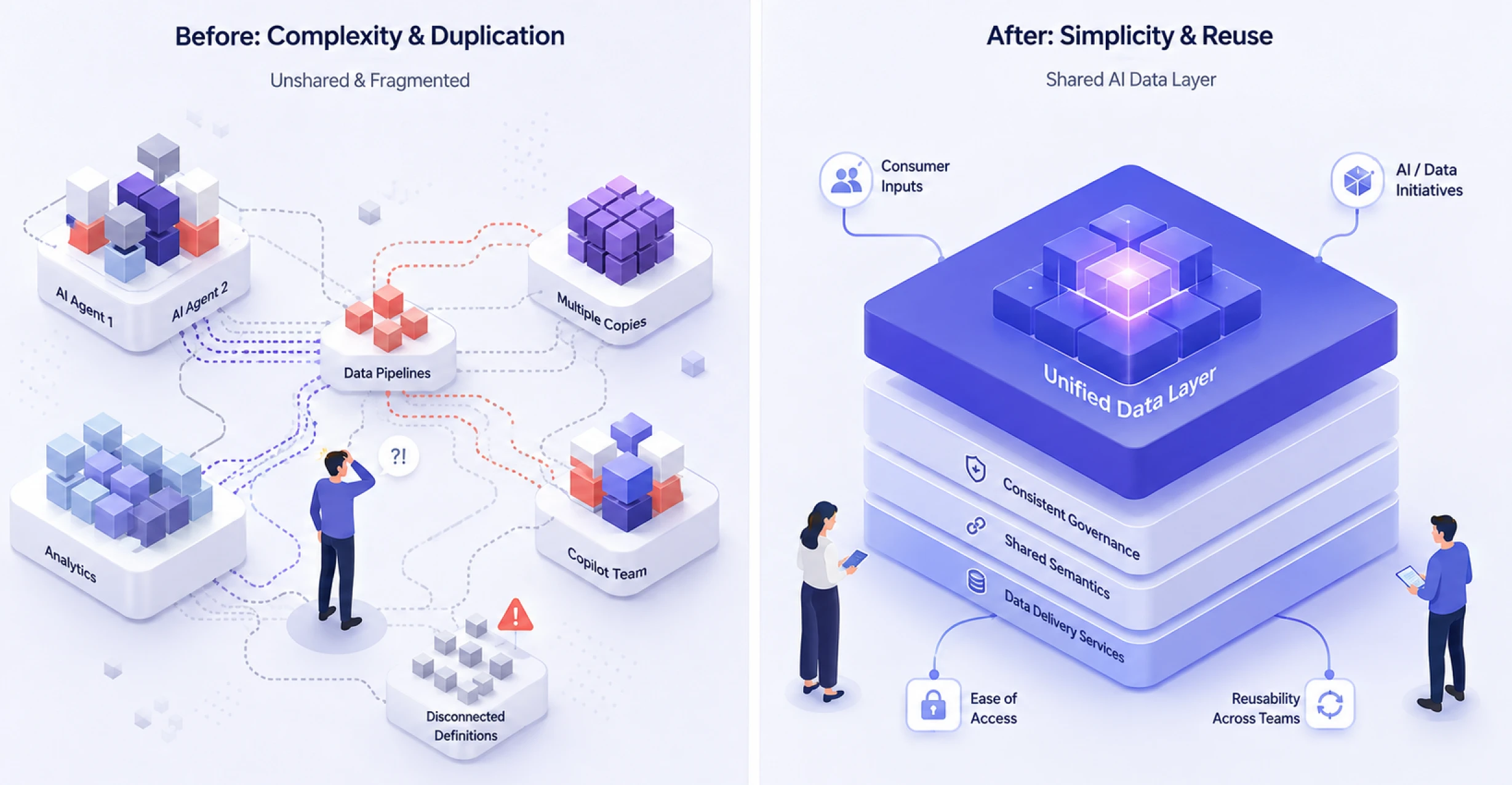
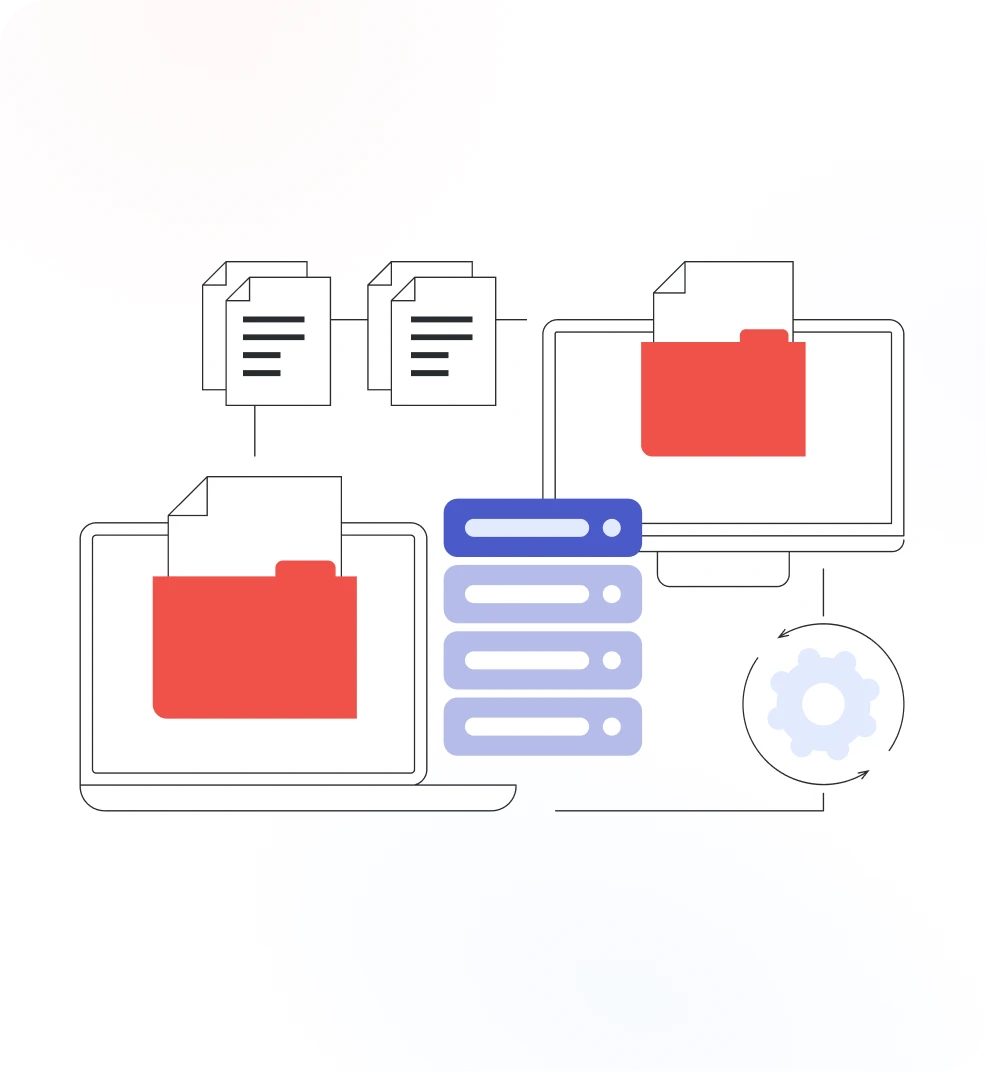
Data virtualization introduces a logical contract between consumers and sources. Teams can change how or where data is stored while preserving a more stable way for applications, analysts, and AI systems to access it.
That reduces brittle dependencies and makes the data architecture easier to evolve without redesigning every downstream consumer.
What Is Data Virtualization?
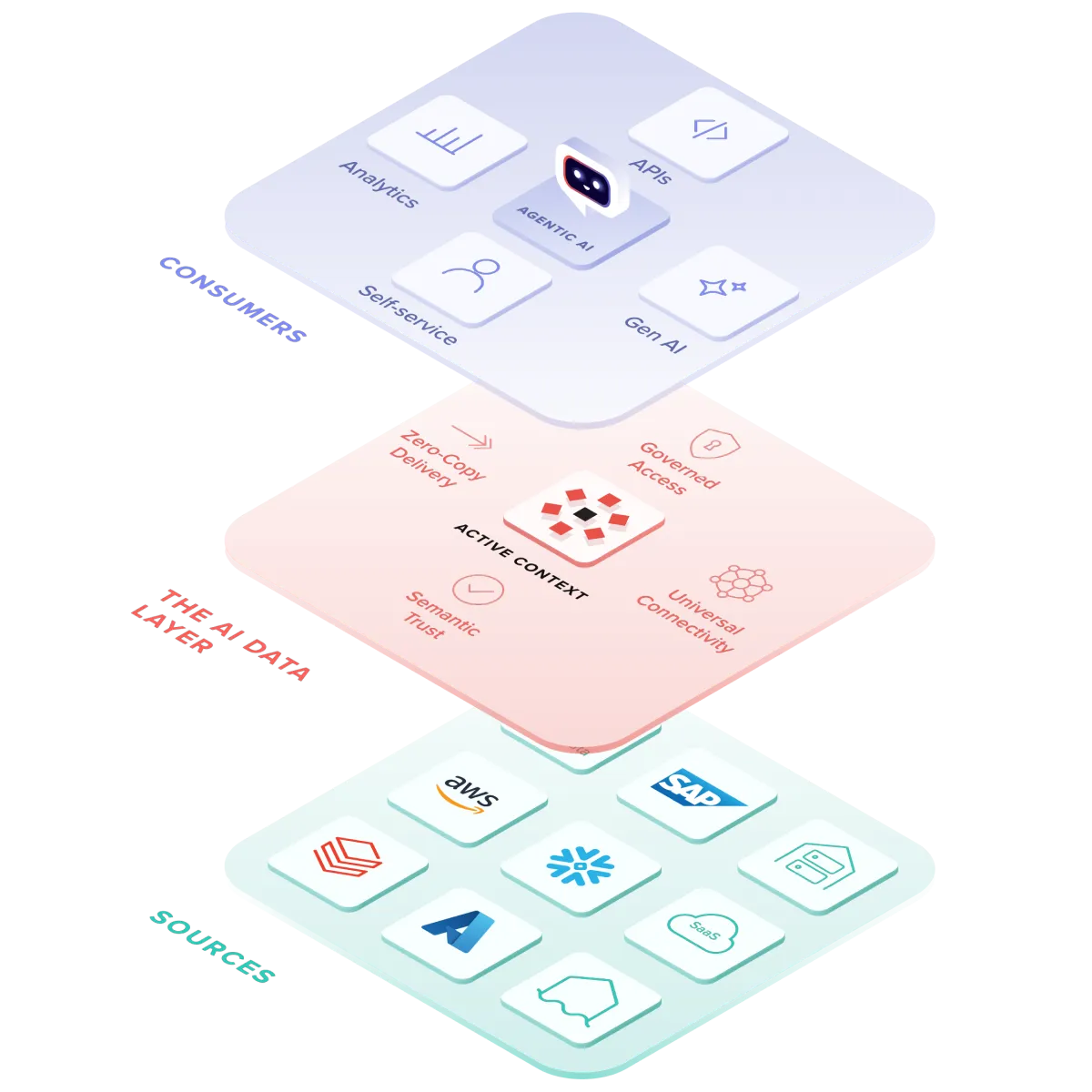
Data virtualization creates a stable logical interface between data consumers and underlying physical data sources. It shields consumers from source-specific complexity while enabling data across systems to be combined, governed, optimized, and delivered through reusable logical views.
How Data Virtualization Works
The data virtualization layer handles the complexity between a request and the systems that can answer it. The consumer works with a virtual view while the platform determines how to access, combine, govern, and execute across the underlying sources.
Connect to the Sources
Establish access across databases, lakehouses, warehouses, SaaS applications, APIs, files, streams, and legacy platforms.
Create Stable Logical Views
Abstract source-specific schemas and locations into reusable business-facing views that remain stable as physical systems change.
Federate and Optimize
Combine data across systems and determine where processing should occur based on source capabilities, performance, freshness, and cost.
Deliver Through Consistent Interfaces
Serve trusted data to AI, analytics, applications, data products, and users without requiring each consumer to build its own source-specific integration.
Move Data When It Helps. Do Not Make It the Default.
Some workloads benefit from replication or materialization. Others need the latest available information from operational systems. Data virtualization gives architects the flexibility to choose the right approach for each workload instead of beginning with a mandatory copy.
Live access can be combined with pushdown, caching, acceleration, or materialization when needed. The objective is not to eliminate data movement; it is to avoid unnecessary movement and use the right execution strategy for the requirement.
That can reduce storage and synchronization overhead while preserving the freshness and performance different consumers need.
Optimize Performance Across the Systems You Already Have
Accessing distributed data does not mean treating every source the same way. Different platforms are optimized for different kinds of processing.
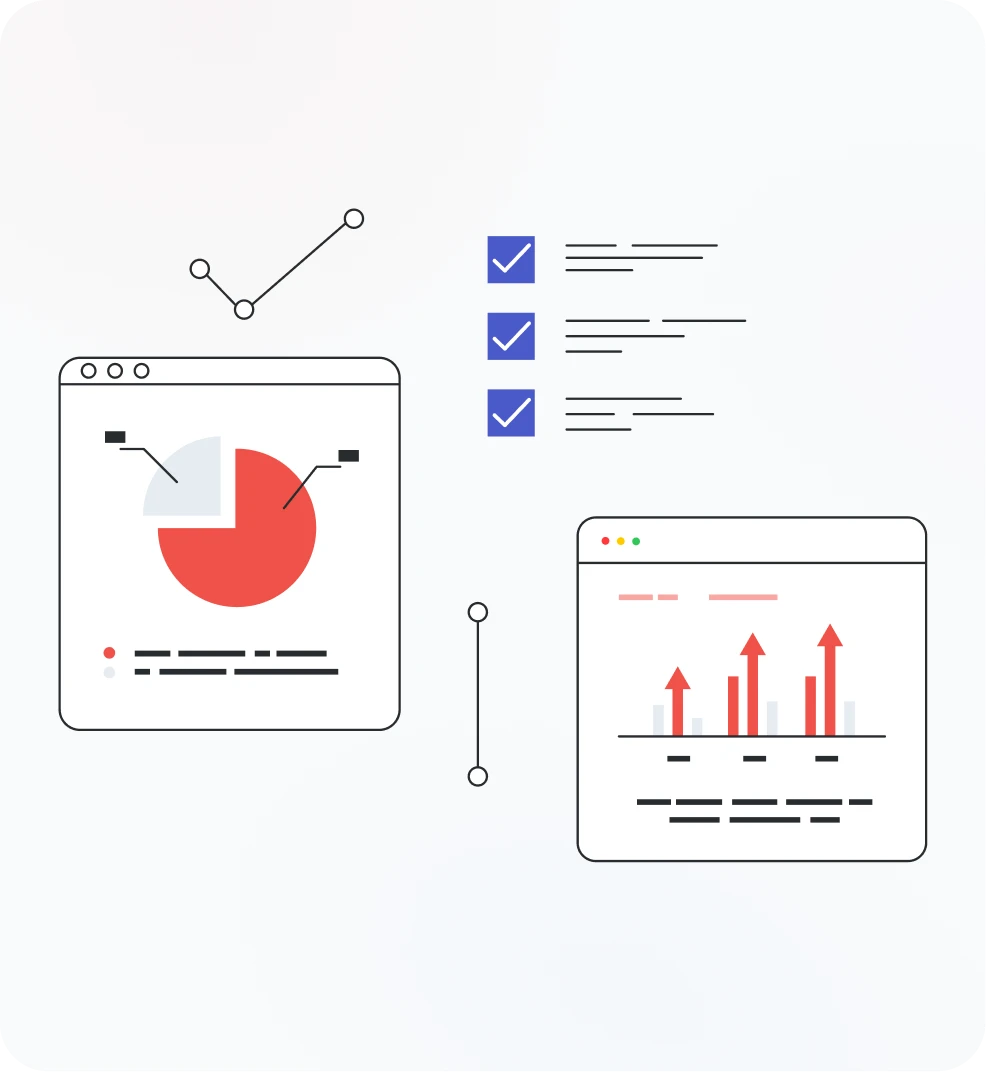
A data virtualization layer can push filters, joins, and calculations to the systems best suited to execute them, minimize unnecessary data transfer, reuse accelerated results, and combine outputs before returning a unified answer to the consumer.
This lets organizations use the processing strengths of existing platforms while giving consumers one consistent access experience.
Deliver Governed Data with Consistent Business Meaning
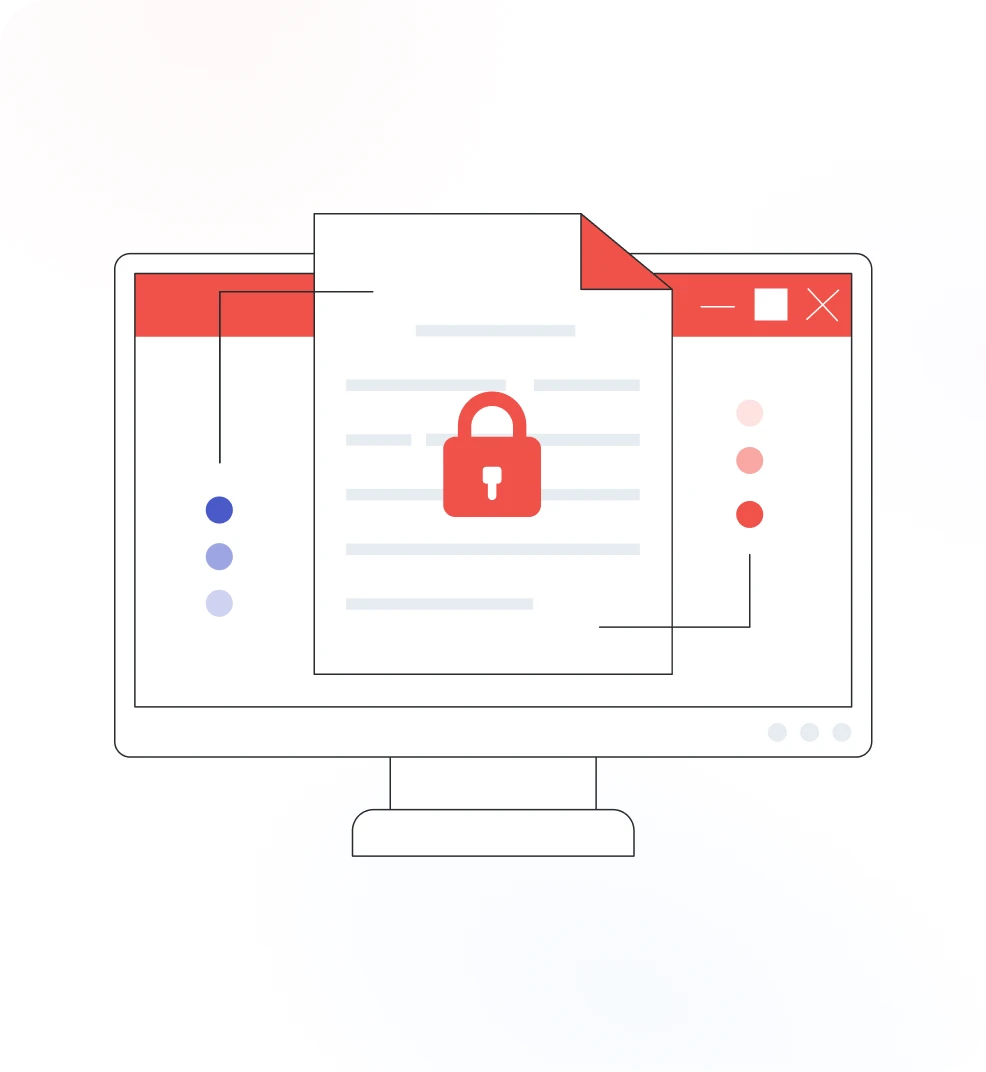
A consistent access layer is more valuable when it also preserves control and meaning. Data virtualization can apply access policies at delivery time and present shared semantic views across distributed sources.
That helps reduce application-specific security logic, conflicting definitions, and duplicated transformations while allowing the underlying data to remain with the systems that own it.
Consumers receive a more consistent view of enterprise information even when the physical data landscape is complex.
Where Data Virtualization Creates Immediate Value
Data virtualization is especially useful when consumers need trusted data across systems and speed, freshness, or architectural flexibility matter.
AI and Agentic Applications
Give AI systems current, governed access across enterprise sources without building a separate physical integration path for every agent or application.
Lakehouse Extension
Reach data that remains outside the lakehouse and reduce unnecessary movement while preserving the lakehouse for the workloads it serves best.
Application and Data Modernization
Create stable logical interfaces that reduce downstream disruption when sources, platforms, or cloud environments change.
Governed Data Sharing
Publish reusable logical views and data products that can serve multiple teams without recreating integration logic for each consumer.
Give Consumers Stable Access Even as the Data Estate Changes