






Enterprise AI, analytics, and applications are only as effective as the context behind them. Yet the data needed to understand the business is often fragmented across platforms, defined differently across teams, governed inconsistently, and separated from the operational systems where conditions change in real time.
Moving more data into another centralized platform does not solve this problem on its own. Organizations need live access to both operational and analytical data, along with the business meaning, relationships, and policies required to use it correctly. Without this foundation, teams spend more time rebuilding integrations, reconciling definitions, and managing copies, while AI systems and decision-makers operate with incomplete, delayed, or outdated context.
The Denodo Platform is the AI data layer that closes this gap. It creates and operationalizes active context by connecting distributed enterprise data, preserving live operational awareness, unifying business meaning, and applying governance as data is accessed. This gives business users, applications, analytics tools, and AI systems a trusted, current view of the enterprise.
Denodo delivers Active Context through four foundational capabilities that work together across distributed data environments.
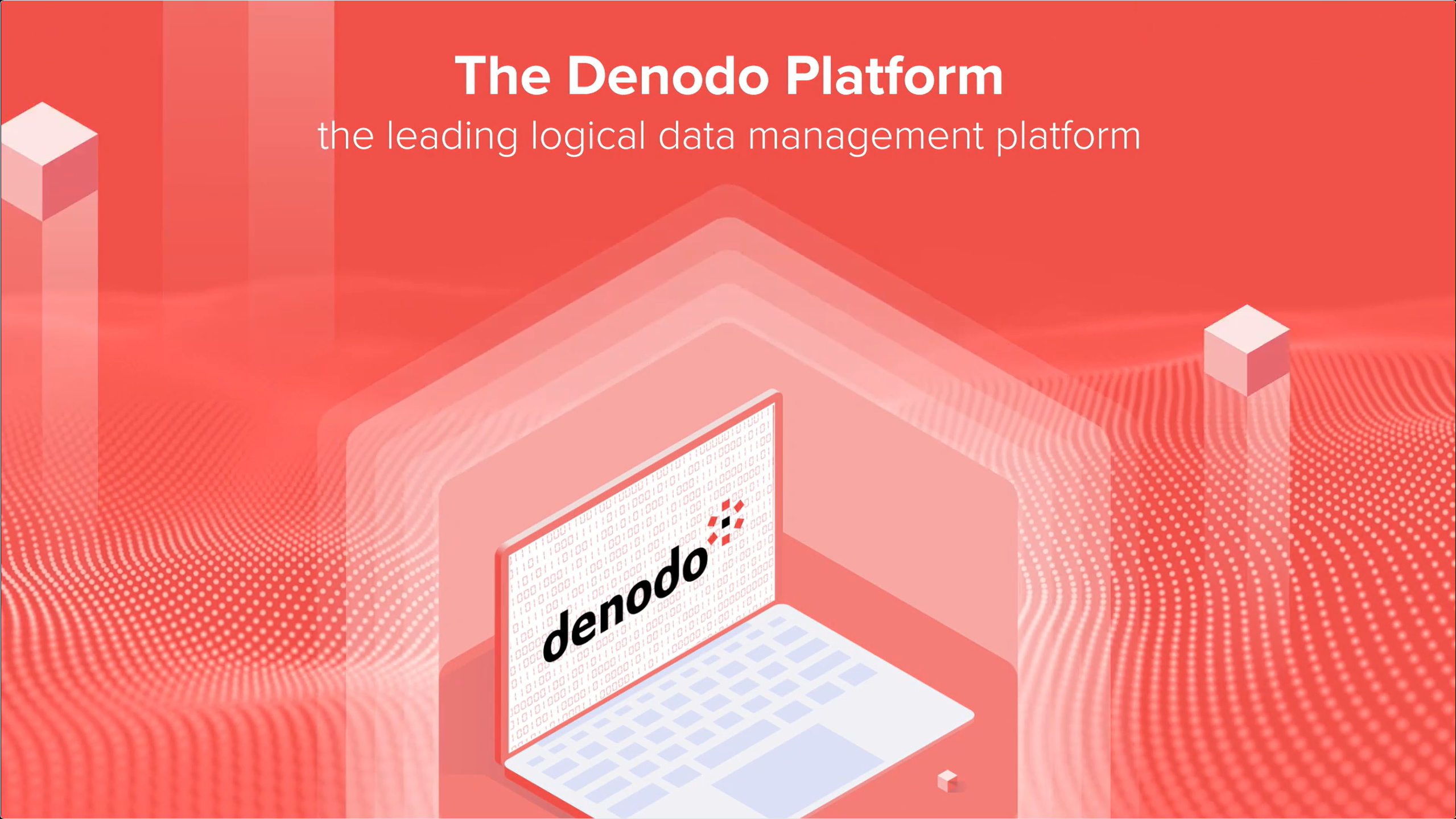
Together, these pillars transform distributed enterprise data into governed, reusable data products that support trusted decisions, applications, analytics, and AI agents that can act with greater accuracy and control.
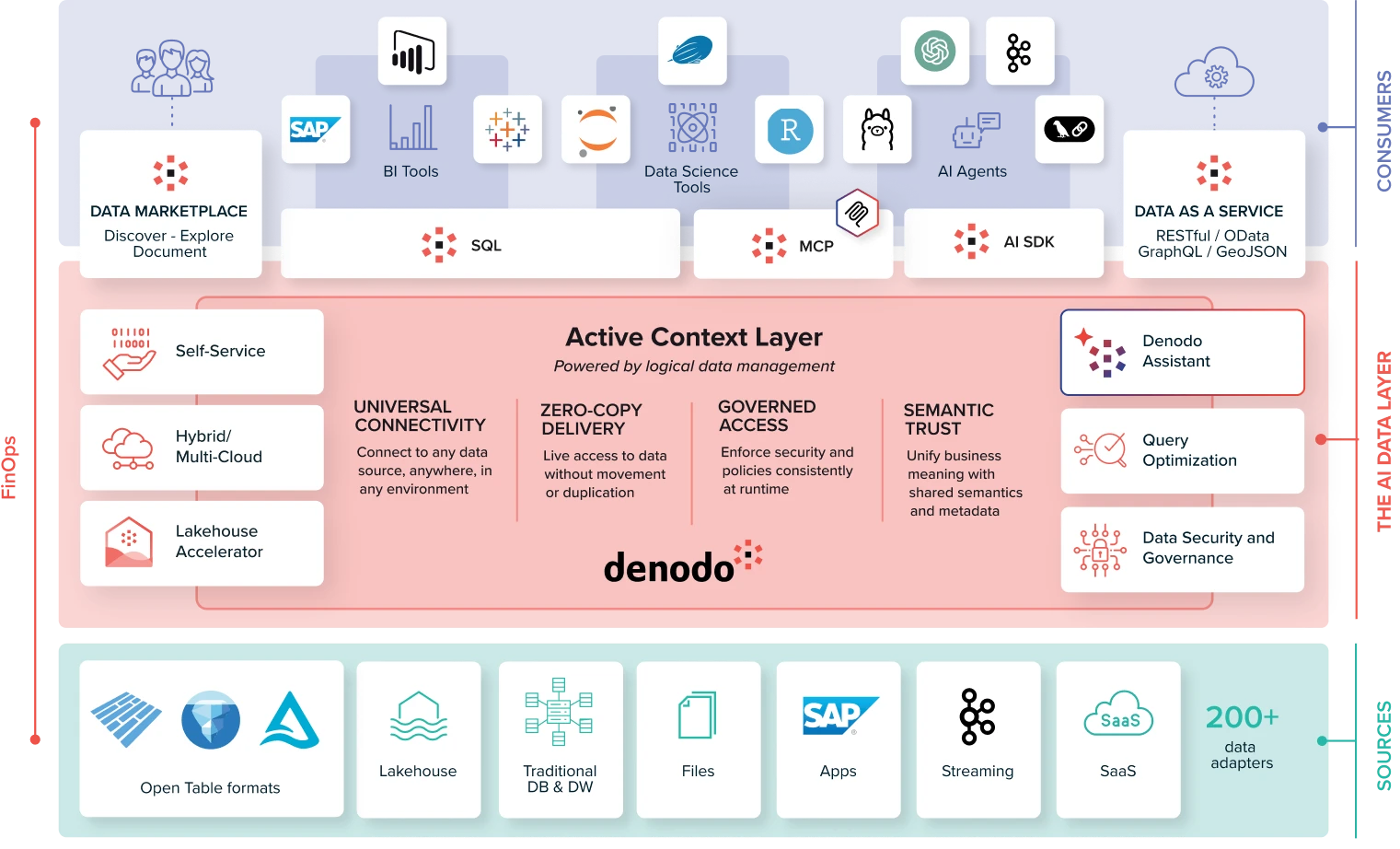





Profit Growth

Risk Reduction

Staff Productivity
Technology Optimization
Time-to-Value Acceleration

Revenue and Decision Impact

Reduced Risk
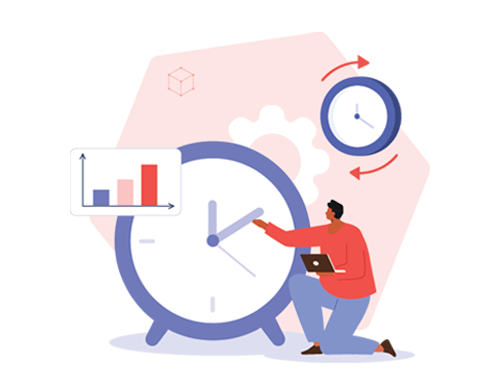
Greater Productivity
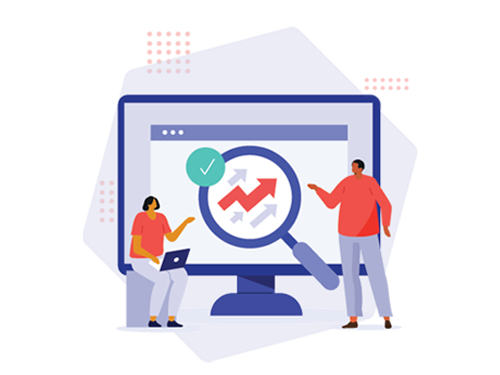
Lower Technology Cost and Complexity
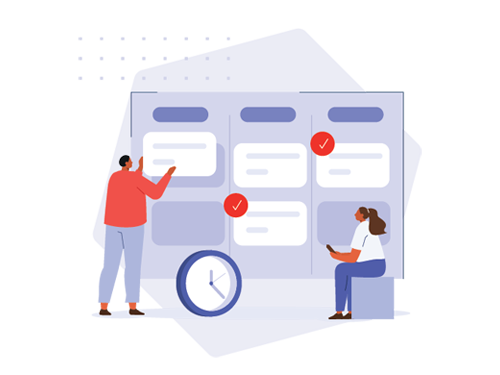
Faster Time to Value
Build Trusted Agentic AI
Give AI agents live access to governed operational and analytical data, consistent business meaning, and the policy controls they need to act with greater confidence, accuracy, and control.
Explore Agentic AIExpand Data Self-Service
Make trusted data products easier to discover, understand, access, and reuse, so business users can answer questions faster without increasing the burden on data teams.
Explore Data Self-ServiceAccelerate Lakehouse Value
Extend the value of Lakehouse investments with governed access to data across the broader enterprise, improved query performance, and faster delivery of business-ready data products.
Explore Lakehouse AccelerationThese are only a few of the ways organizations use the Denodo Platform to modernize data delivery, support AI, and improve access to trusted enterprise data.